Illustrated Memoirs
Empowering young refugees through storytelling.
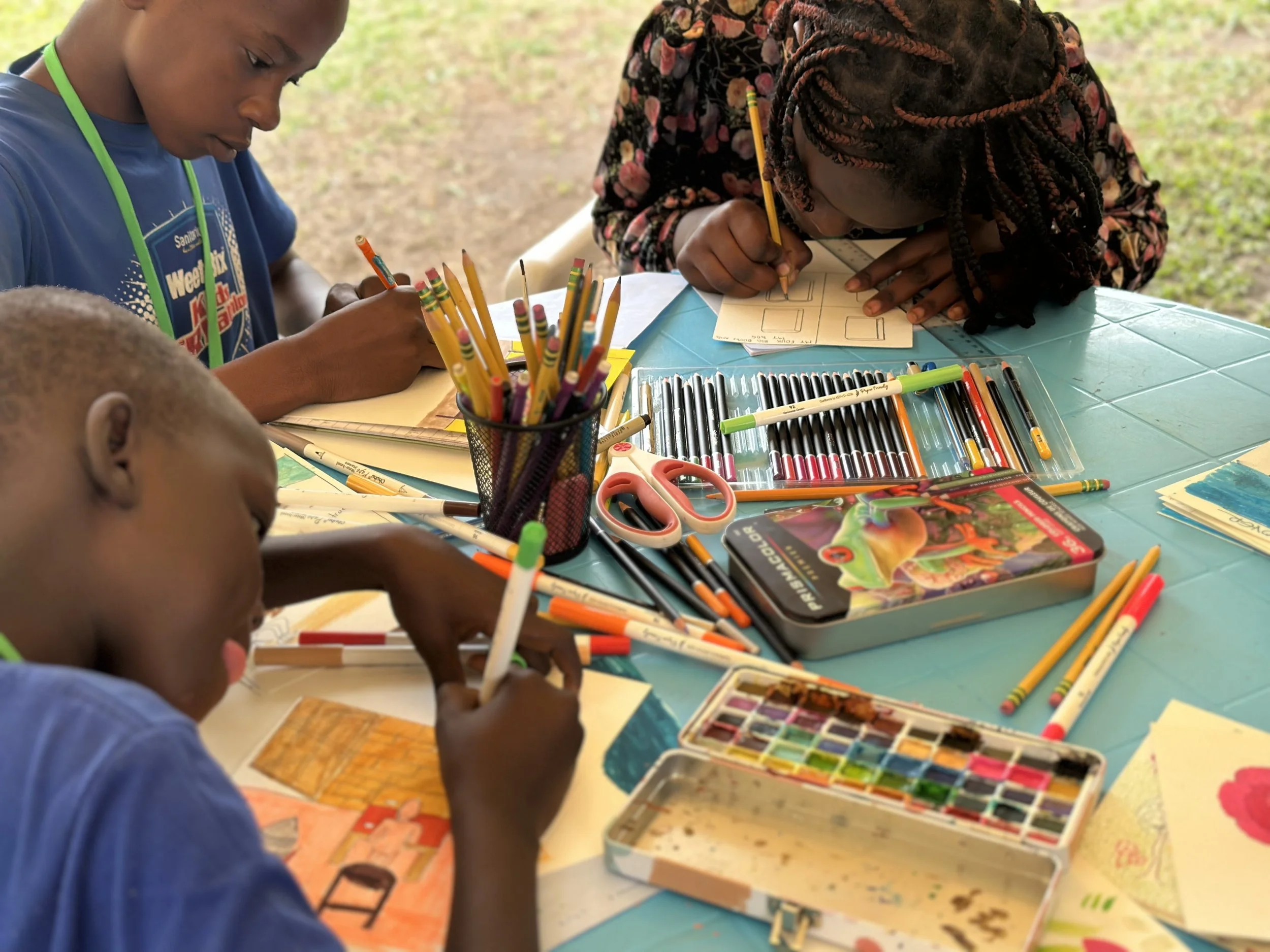
As global aid wanes, Dr. Kate Carlier Currie partners with young refugees in Nakivale, Uganda, to turn their lived experiences into illustrated memoirs, showing how creative expression becomes a lifeline, empowering young people to reclaim their identity, transform their sense of possibility, and lift their community despite overwhelming odds.
First Look
In 2025 we recorded a few short interviews with project participants. This reel can provide a glimpse into the feature project.
Story
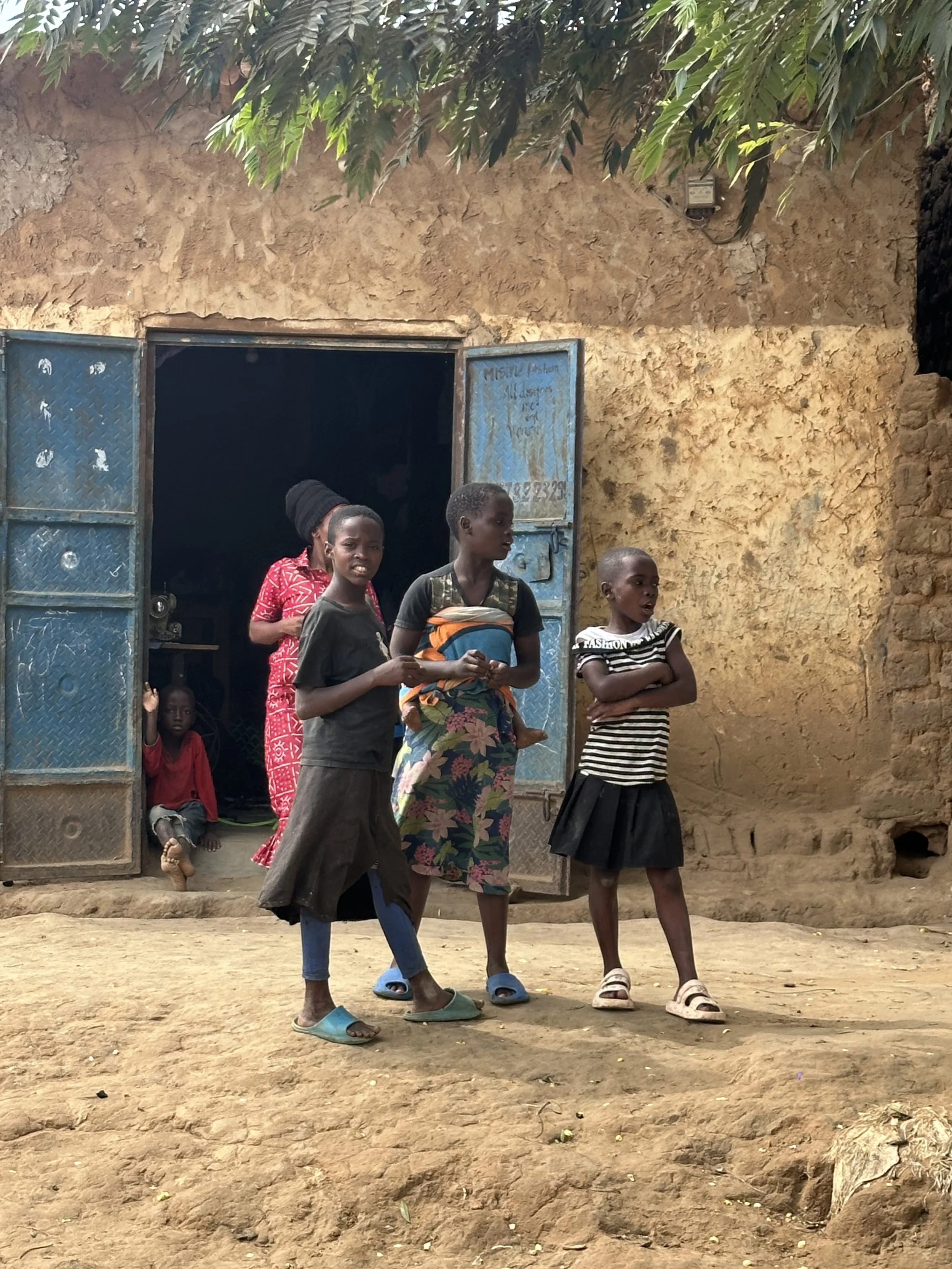
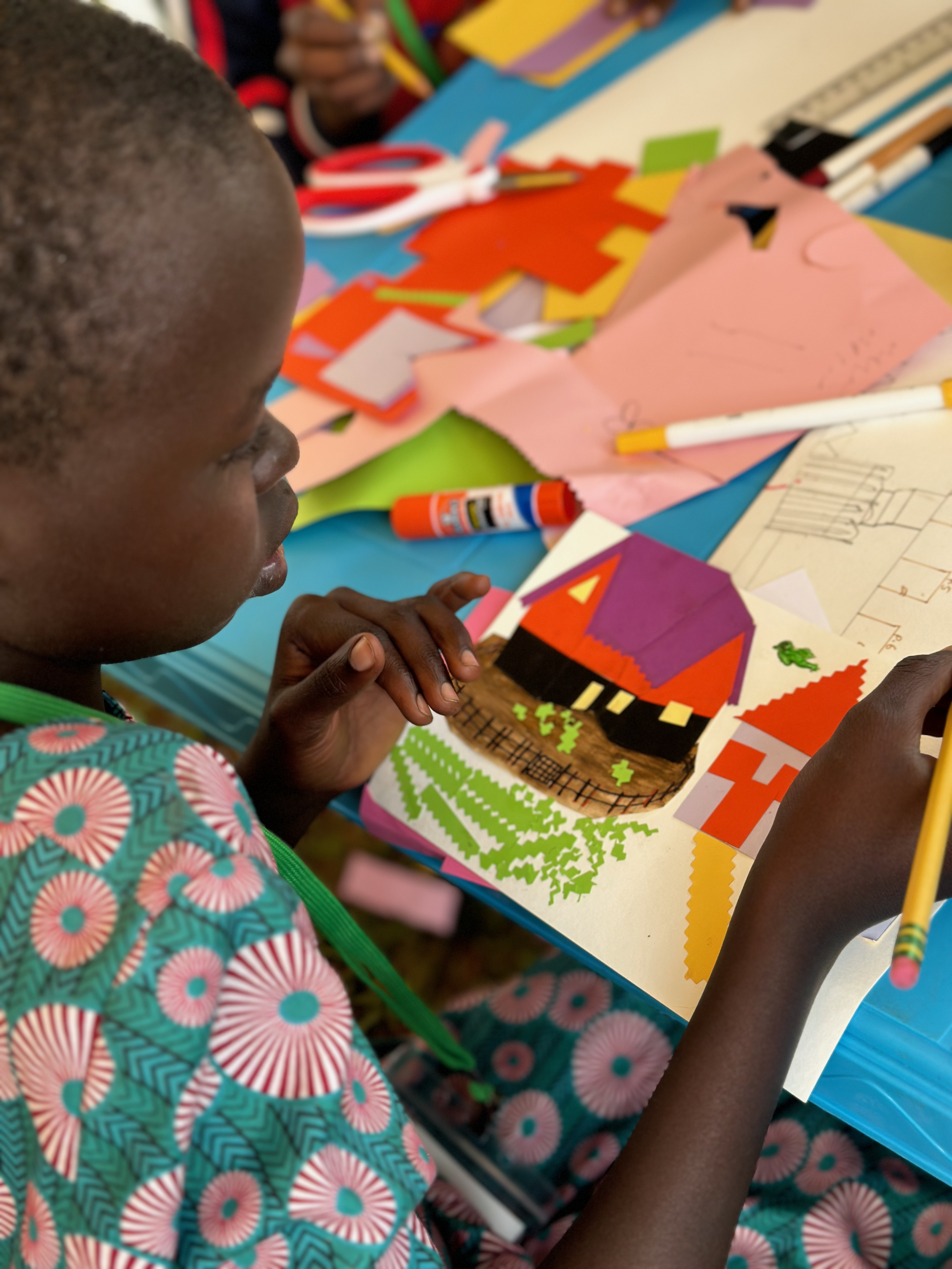
Told through the hand-drawn memoirs of young refugees in Nakivale, Uganda, this film explores the resilience of young refugees and the impact of creative engagement on their self-perception.
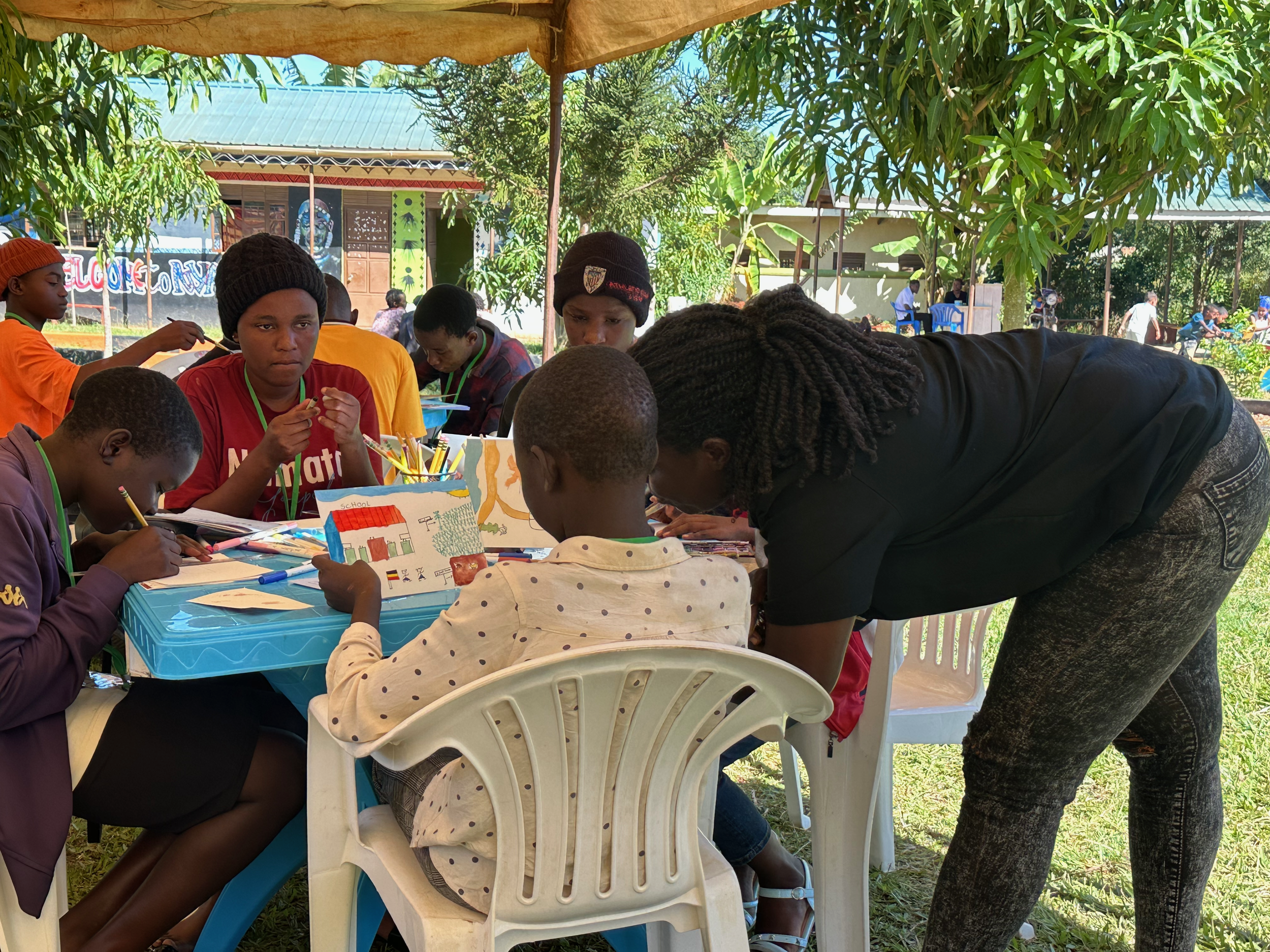
In 2025, Kate Carlier Currie and Enock Sadiki traveled to the Nakivale Refugee Settlement in southwest Uganda to run the Illustrated Memoir Project with 44 young refugees.
Through their work, Kate and Enock witnessed something powerful unfold. Many of these young people, brilliant, driven, and deeply imaginative, saw little hope in their lives. Yet through storytelling and illustration, they articulated their pasts, reframed their futures, and reignited the hope that had dimmed with displacement. At the same time, Kate and Enock discovered a grassroots, youth-led movement in the settlement: young refugees creating groups, organizing classes, and supporting peers through their mutual trauma.
This documentary follows Kate and Enock as they return for another year of the Illustrated Memoirs project to work with several of these remarkable young people, including Abigael, Asaph, Kevine, David, Samuel, Ephreme, and Melissa, as well as many new children, to explore how creativity, mentorship, and self-expression are transforming lives, even in the face of shrinking global support and a rapidly growing humanitarian crisis.
The film illuminates our shared humanity and the responsibility to respond to a global crisis of displacement currently impacting more than 120 million people across the globe.
Setting
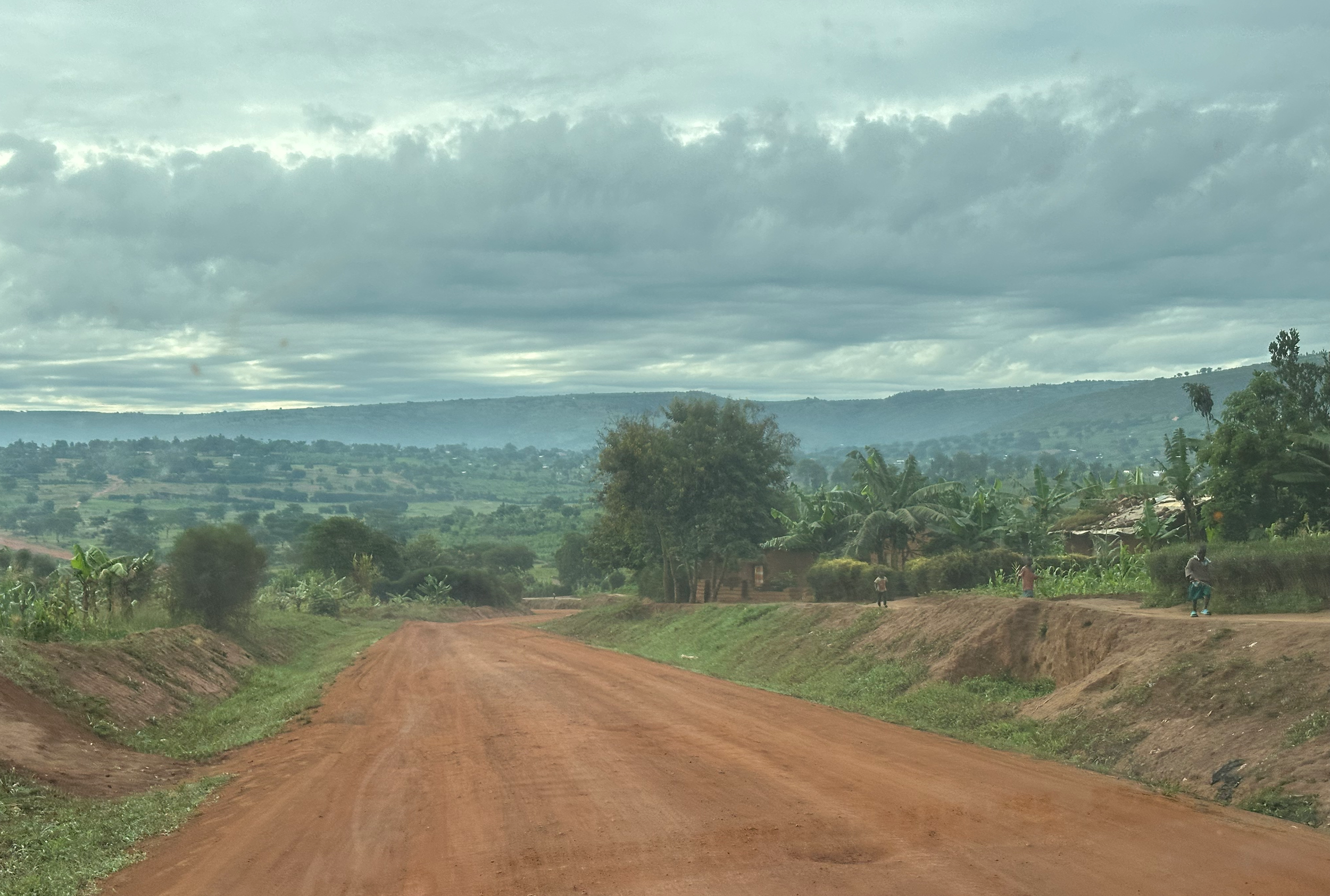
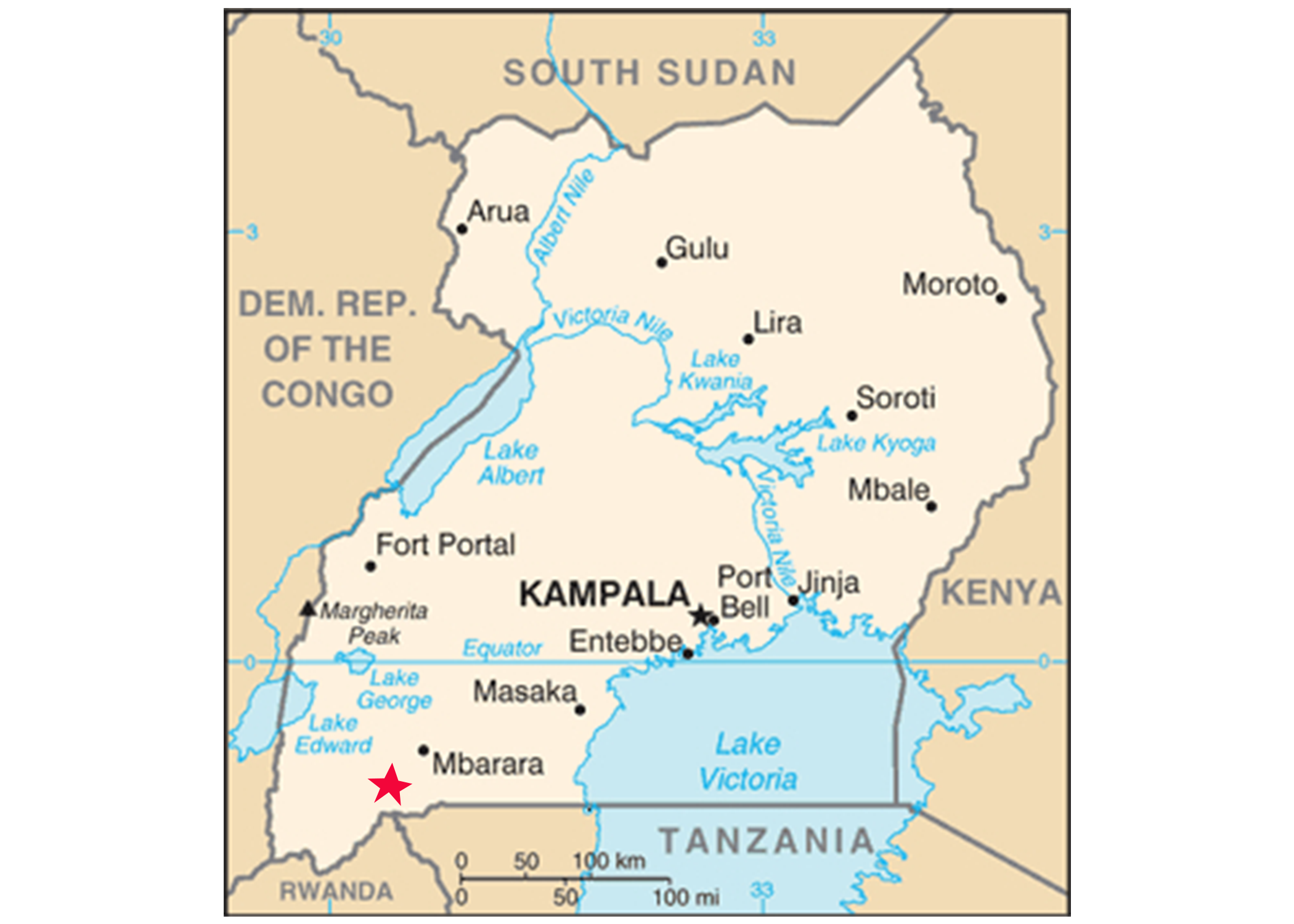
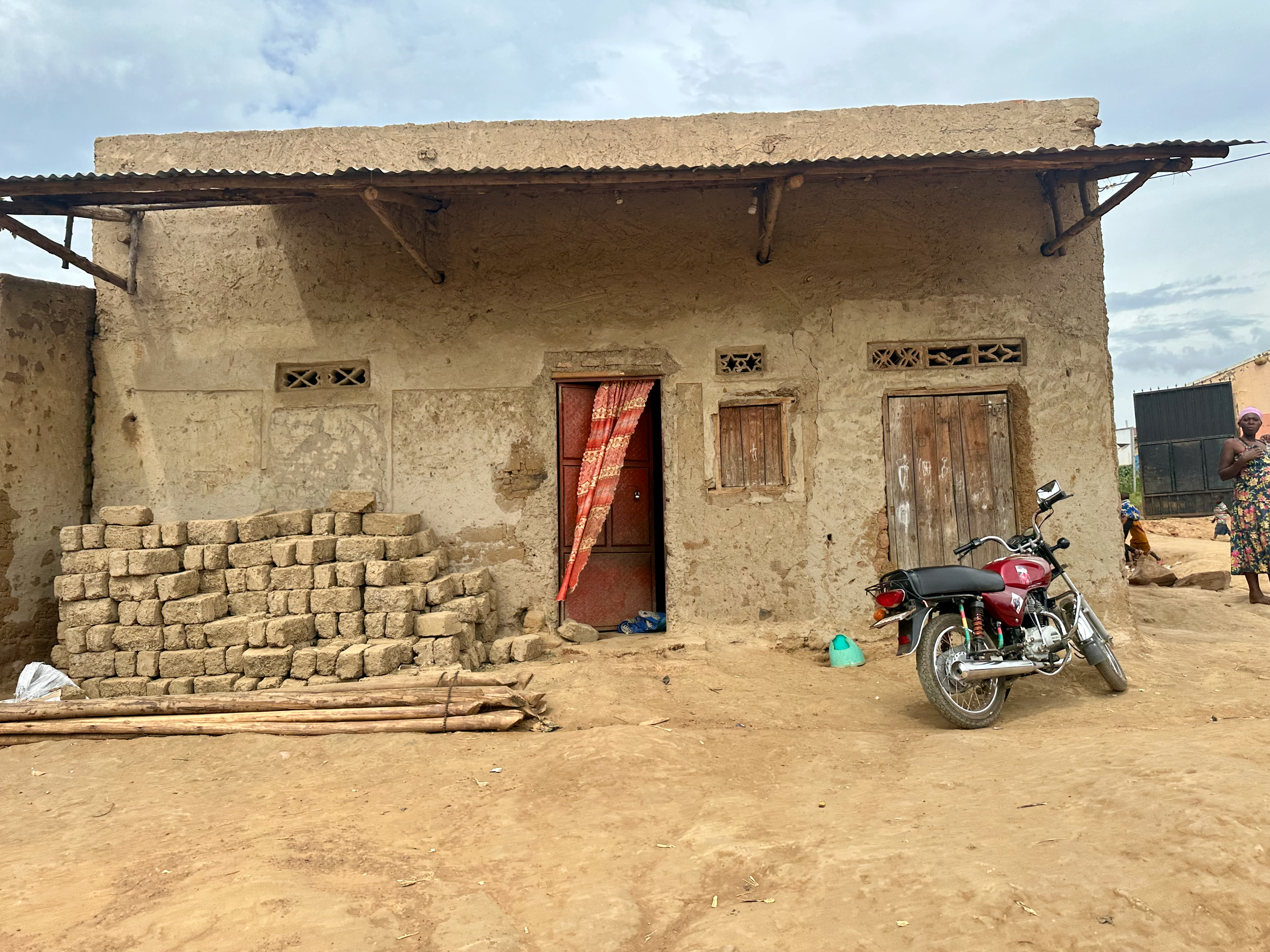
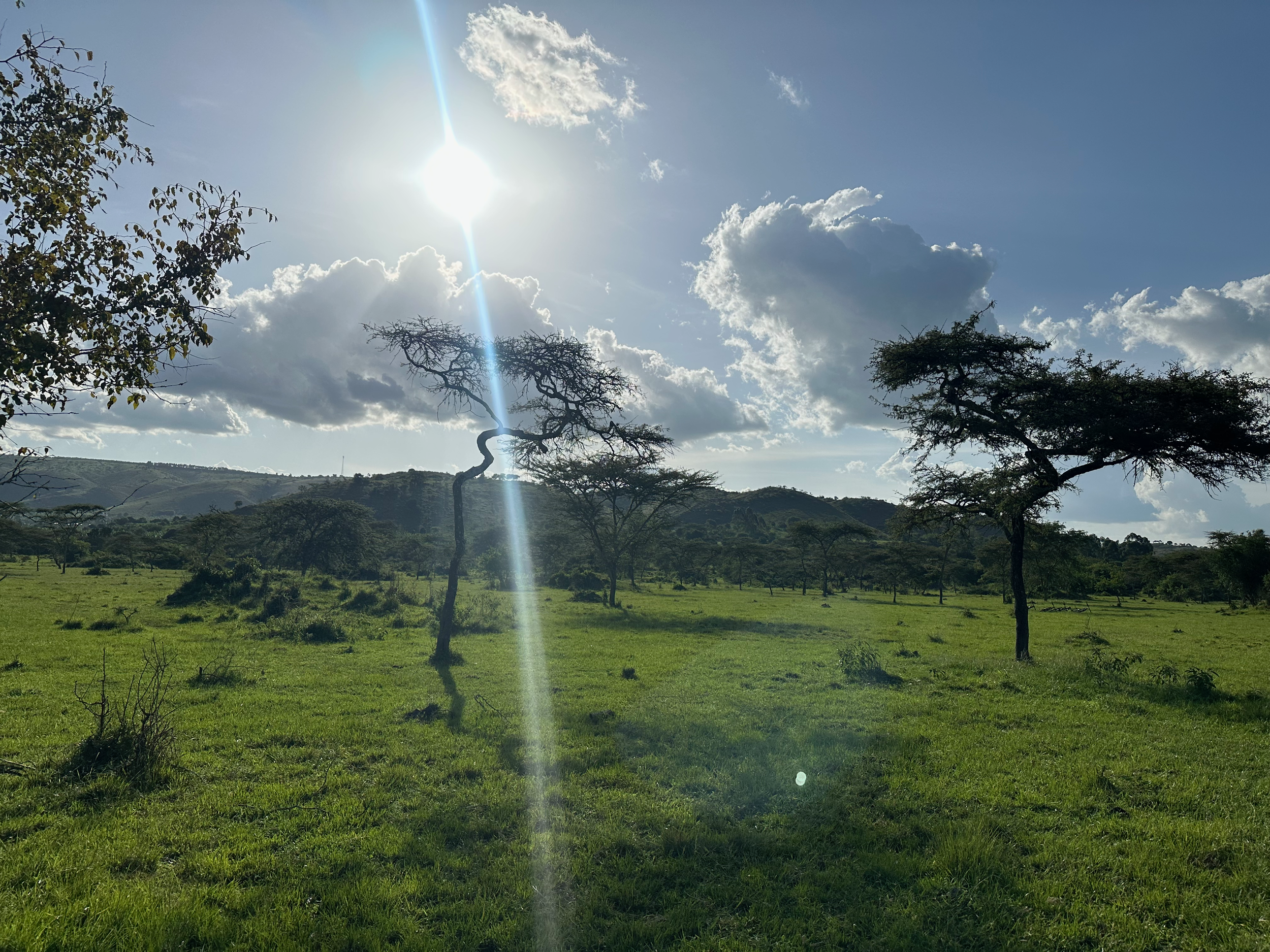
Nakivale Refugee Settlement is the oldest refugee settlement in Africa. Located in southwest Uganda, Nakivale is home to more than 285,000 refugees from the Democratic Republic of Congo, Burundi, Somalia, Rwanda, and South Sudan.
Back Story: The Illustrated Memoir Project
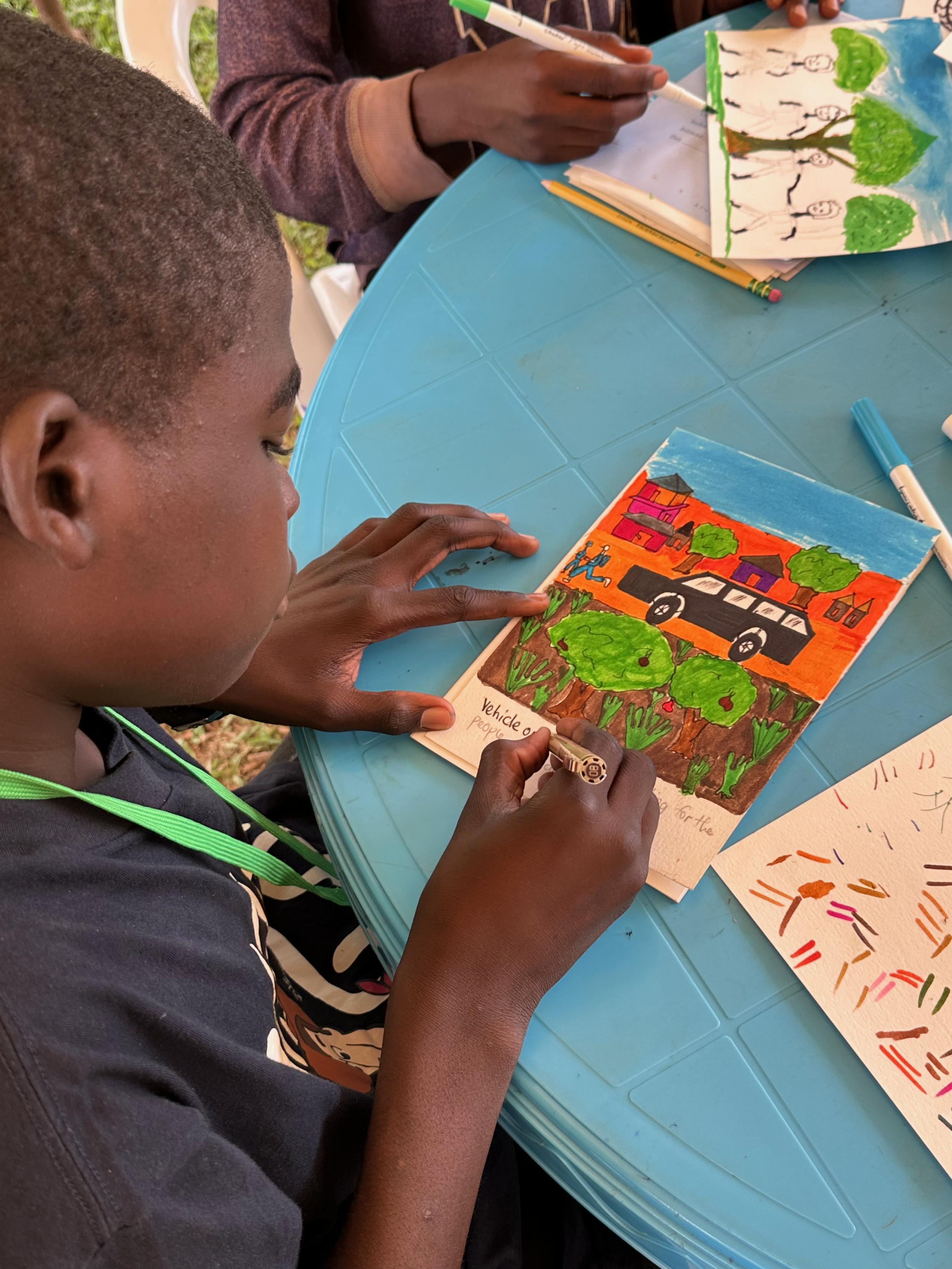
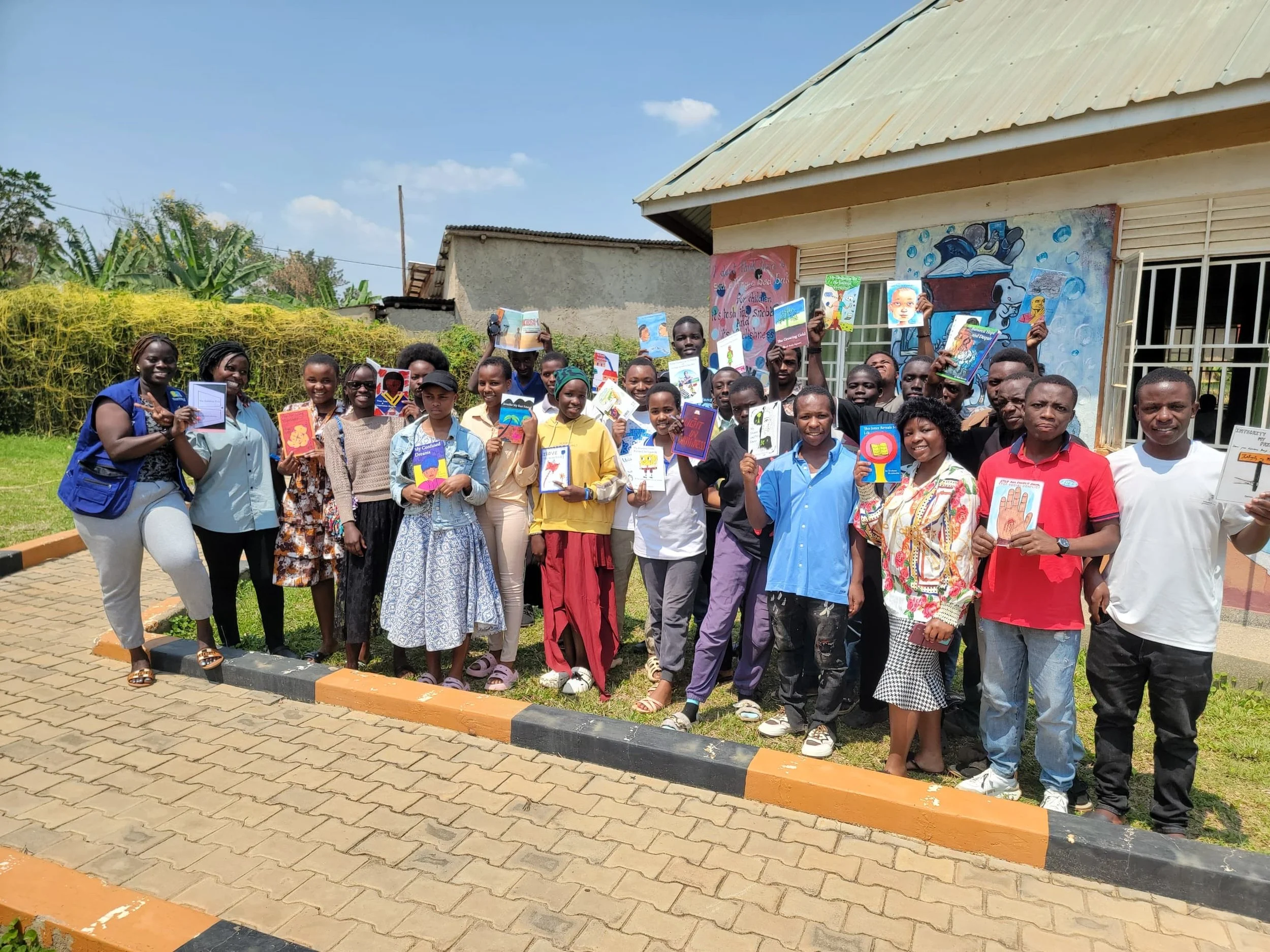
Developed by Dr. Kate Carlier Currie, an educator and researcher based in Cincinnati, the Illustrated Memoir Project is a curriculum that blends literacy, visual storytelling, and personal reflection. Each participant writes a true story from their life, then creates original illustrations to support the story. When complete, every memoir is published as an individual book. Every participant receives a copy of their professionally bound book.
After books are published as both physical and digital books, they are shared as open educational resources. This provides young people in the West with a richer understanding of refugee experience and the drivers of global migration as well as contextually relevant materials for young learners in other refugee settlements.
This seemingly simple process has shown profound results. Students become more:
self-aware, understanding their personal histories in new ways
hopeful, able to articulate dreams and future goals
empowered, recognizing their own voice and agency
After years of successful implementation in Ohio schools, Kate brought the project to refugee youth in East Africa in 2025, beginning in the Nakivale settlement.
More information is available at illustratedmemoir.org.
Back Story: Nakivale Refugee Settlement
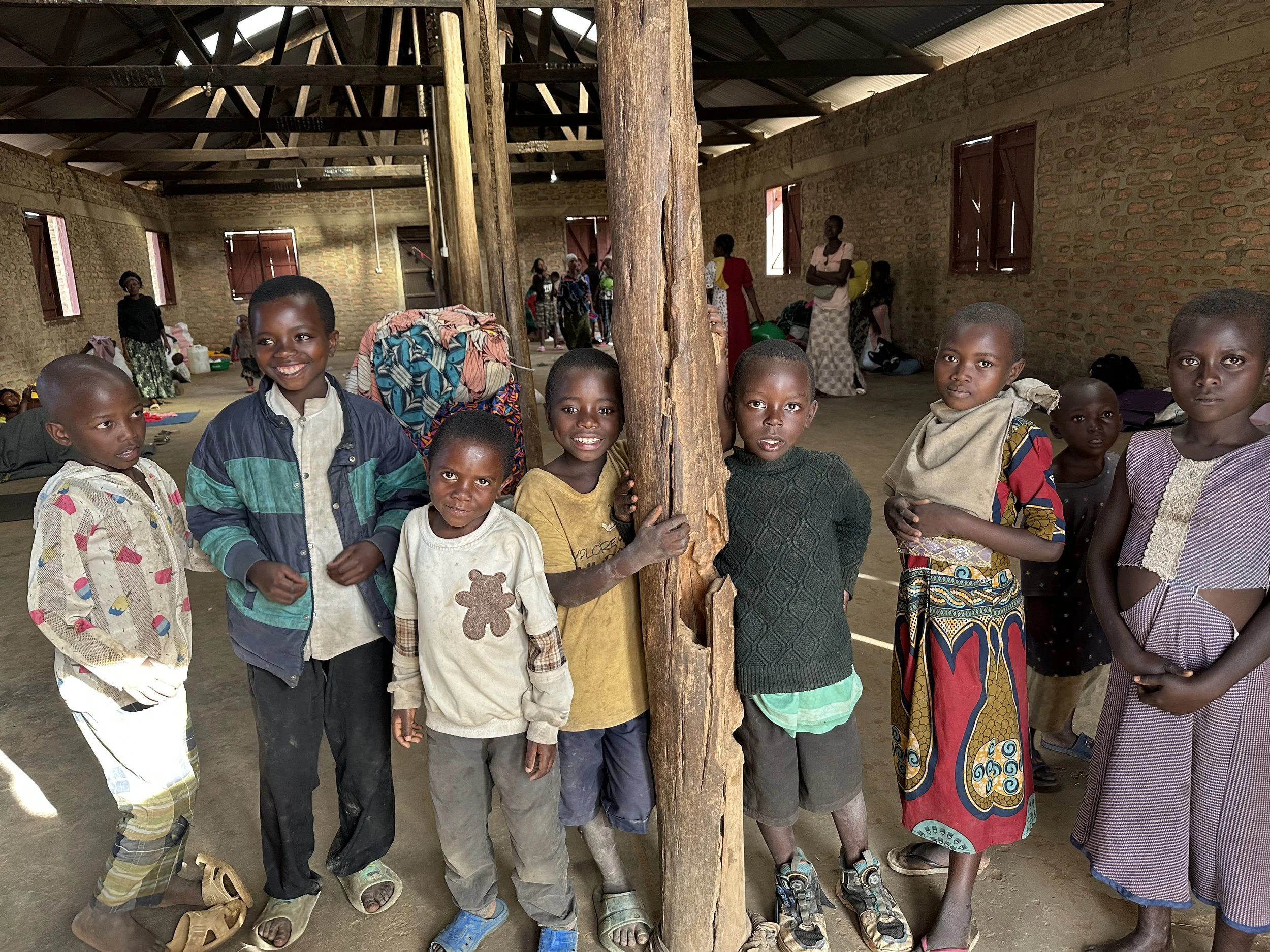
In 2025, as many as 8,000 new arrivals per week entered the settlement following widespread regional conflict, just as significant portions of U.S. and international aid were withdrawn.
The result: more than 80% of children are out of school, limited access to safe employment, lack of food leading to malnutrition, overcrowded shelters and schools, increased risk of exploitation and trauma.
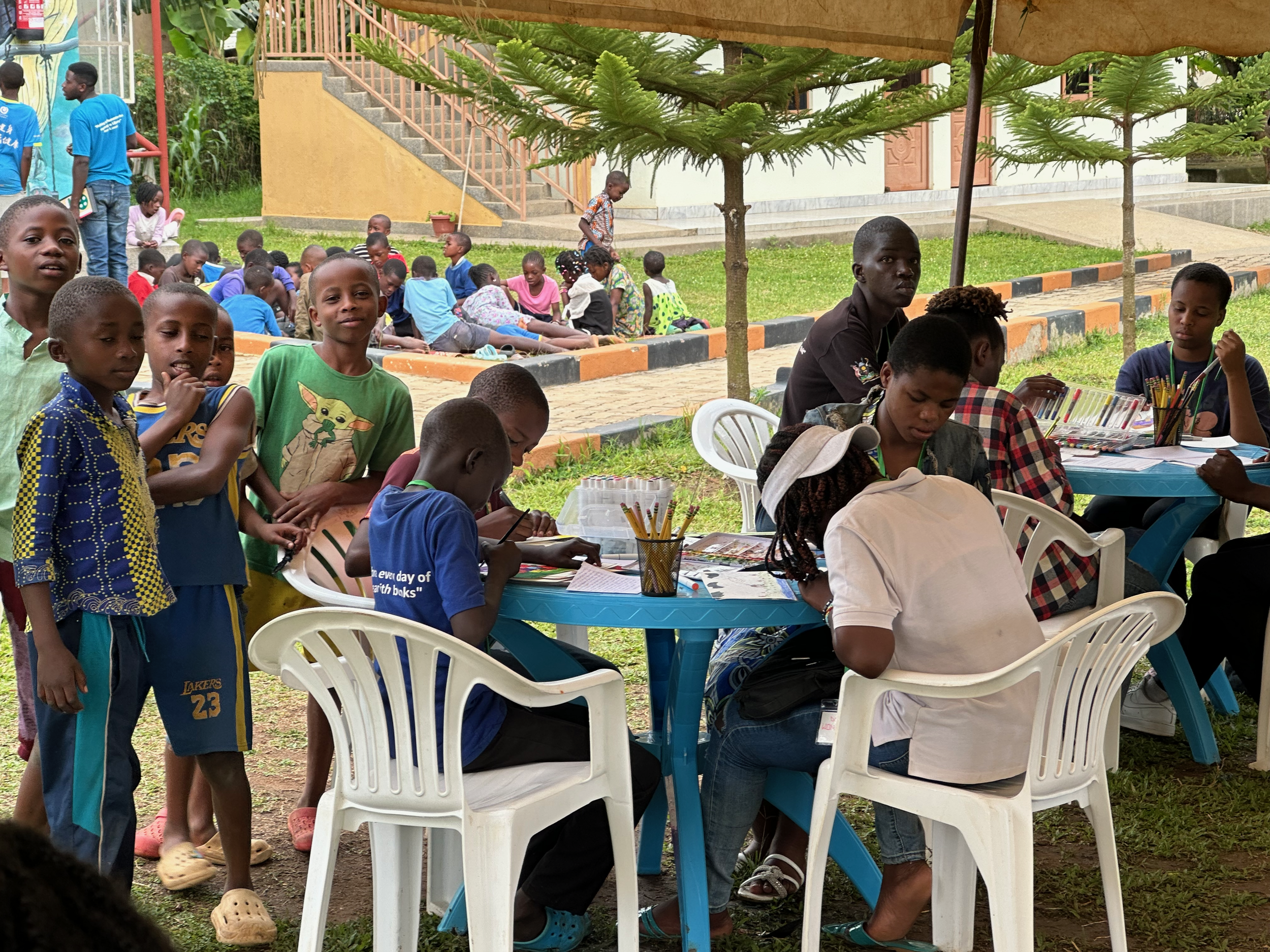
Yet young people in Nakivale continue to create opportunities where none exist. They teach. They mentor. They organize. They write and illustrate their own stories. This is the heart of Illustrated Memoirs.
The Illustrated Memoir Project continues to work with young people in Nakivale and mentors past participants to run the project themselves in the future.
The work is made possible through a partnership with the international non-profit, Alight (formerly American Refugee Committee).
In 2025, the Ugandan Office of the Prime Minister Commandant in charge of the settlement gave initial approval for filming in the settlement by the Memoir Project team.
Access
Production Plan for Documentary Short
Esther K Sammy will travel with Kate and Enock to Nakivale in May of 2026 to document a new session of the Illustrated Memoir Project and create a short documentary. Esther will work with an animation team and musicians in Nakivale and Kampala to create an original score for the short and animate some of the participants drawings to help tell their stories more fully. Finally, Esther will return to Nakivale to film the newest Illustrated Memoir Project participants receiveing their finished bound books.
Goals
By documenting the Illustrated Memoirs Project and telling the stories of some of the youth involved, this film aims to:
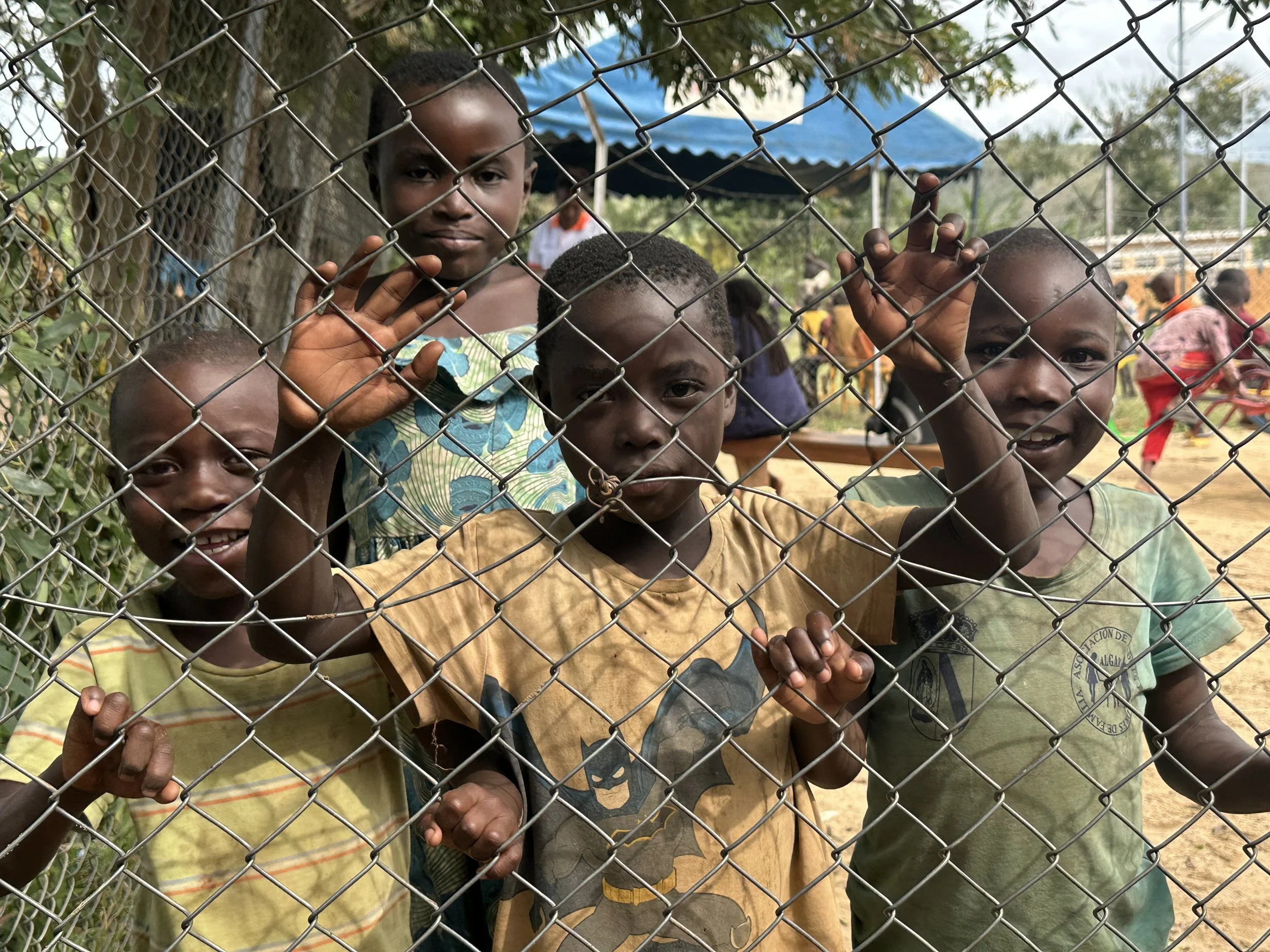
Elevate Youth Voices in the Global Refugee Narrative
Showcase the perspectives, talents, and leadership of young refugees whose stories are often overshadowed by statistics and policy debates
Demonstrate the Impact of Creative Engagement on Self-Efficacy and Agency
Illuminate how autobiographical storytelling and illustration can improve self-perception, emotional resilience, and future orientation for displaced youth.
Contextualize the Human Consequences of Global Displacement
Offer a nuanced look at life inside Nakivale during a period when international aid budgets were cut, and as many as 8,000 new residents arrived weekly
Highlight Refugee-Led Innovation and Community Building
Document how young people, despite profound instability, are using their skills to educate, empower, and uplift their peers.
Inspire Philanthropic, Policy, and Educational Engagement
Mobilize viewers, organizations, institutions, and government agencies to support scalable programs, especially The Illustrated Memoir Project and other youth-driven initiatives.
Approach
To empower refugee youth and amplify the Illustrated Memoir Project’s mission of building self-efficacy, the film must avoid two common pitfalls in refugee-focused media:
The “white savior” narrative.
The reductive aesthetics of “poverty porn”.
To avoid these, our approach is intentionally designed to center agency, nuance, and dignity at every stage.
Anchored by the Illustrated Memoir Project, the documentary uses a hybrid storytelling approach that includes:
Observational verité capturing daily life in Nakivale
Intimate, grounded interviews with youth participants, community leaders, and Kate—conducted in situ rather than as traditional talking heads
Art-driven animated and hybrid sequences that bring the youth’s illustrated memoirs to life
Historical and cultural context that situates Nakivale within the broader global displacement crisis
PERSPECTIVE
The film is rooted in the perspectives and voices of the young refugees themselves. Their words, drawings, and lived experiences guide the narrative—foregrounding their agency and ensuring the project does not inadvertently drift into a white-savior framing.
BALANCING TONE
While the documentary addresses tragic realities—unimaginable loss, displacement, instability—it also embraces moments of humor, joy, and the beauties of everyday life. This tonal balance reflects the fullness of the characters’ experiences and counters limiting narratives that depict refugee communities only through suffering.
BREAKING THE WALL
Because the camera’s presence is often impossible to ignore—especially among children—we intentionally integrate that presence into the storytelling rather than hide it. Eschewing conventional studio-style talking heads, we keep interviews rooted in the environment, allowing context, atmosphere, and relational dynamics to deepen each scene.
Look and Feel
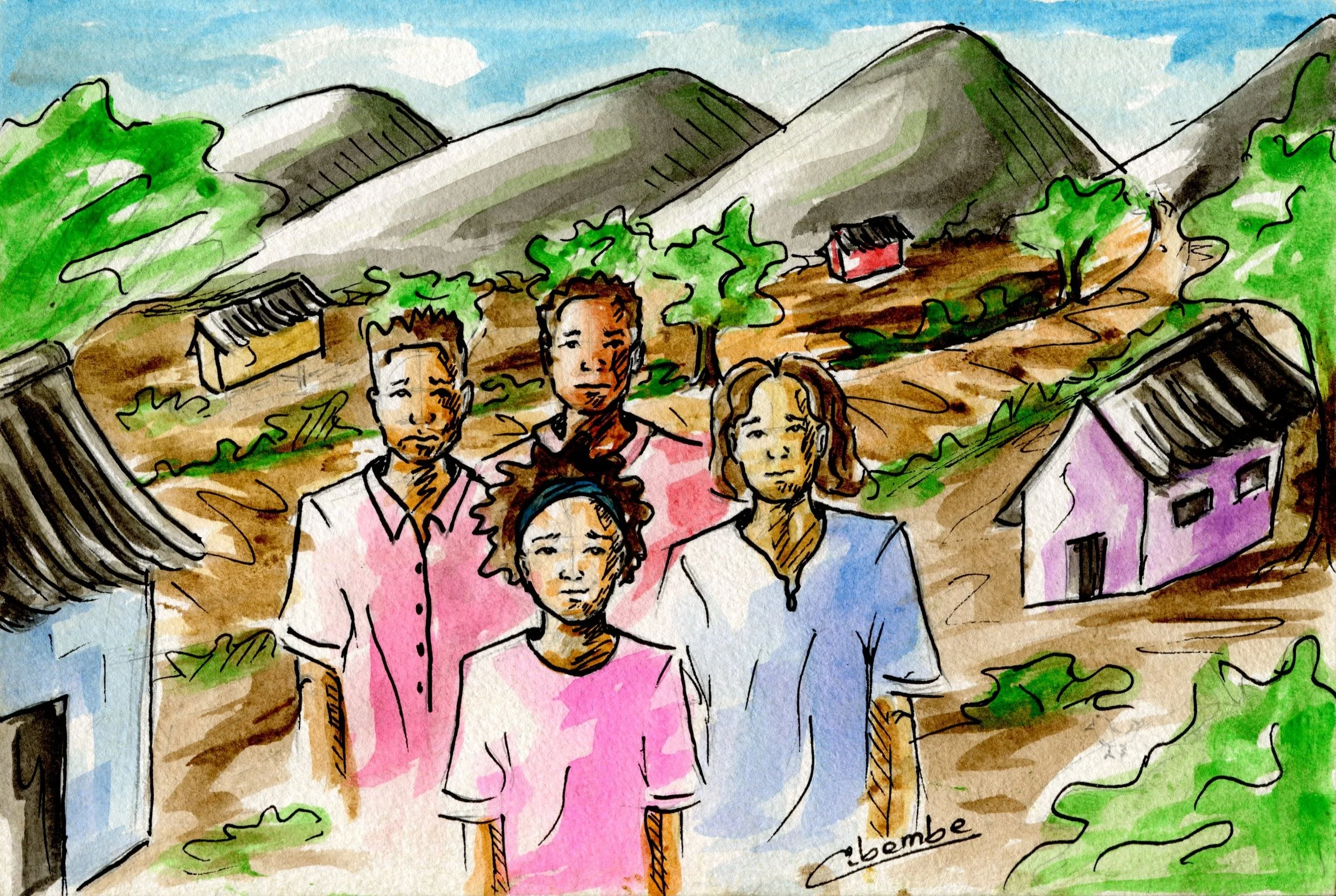
Look and Feel
DIGNITY FIRST
A dignity-first visual and structural approach guides the film. We avoid voyeuristic framing, decontextualized hardship imagery, and narrative simplifications. Instead, the camera lingers with care and respect, reflecting the trust extended to us by the youth and community.
HAND-DRAWN ELEMENTS
The hand-drawn illustrations created by the participants are shown throughout the film, shaping the aesthetic and emotional tone. By seeing and hearing these animated drawings, which overlap with verité moments or appear as relevant imagery objects, the audience is drawn closer to the texture of the stories themselves.
Together, these elements form a storytelling approach that ensures the film is authentically participant-led, visually imaginative, ethically grounded, and emotionally resonant—crafted to inspire not pity, but solidarity and action.
Characters
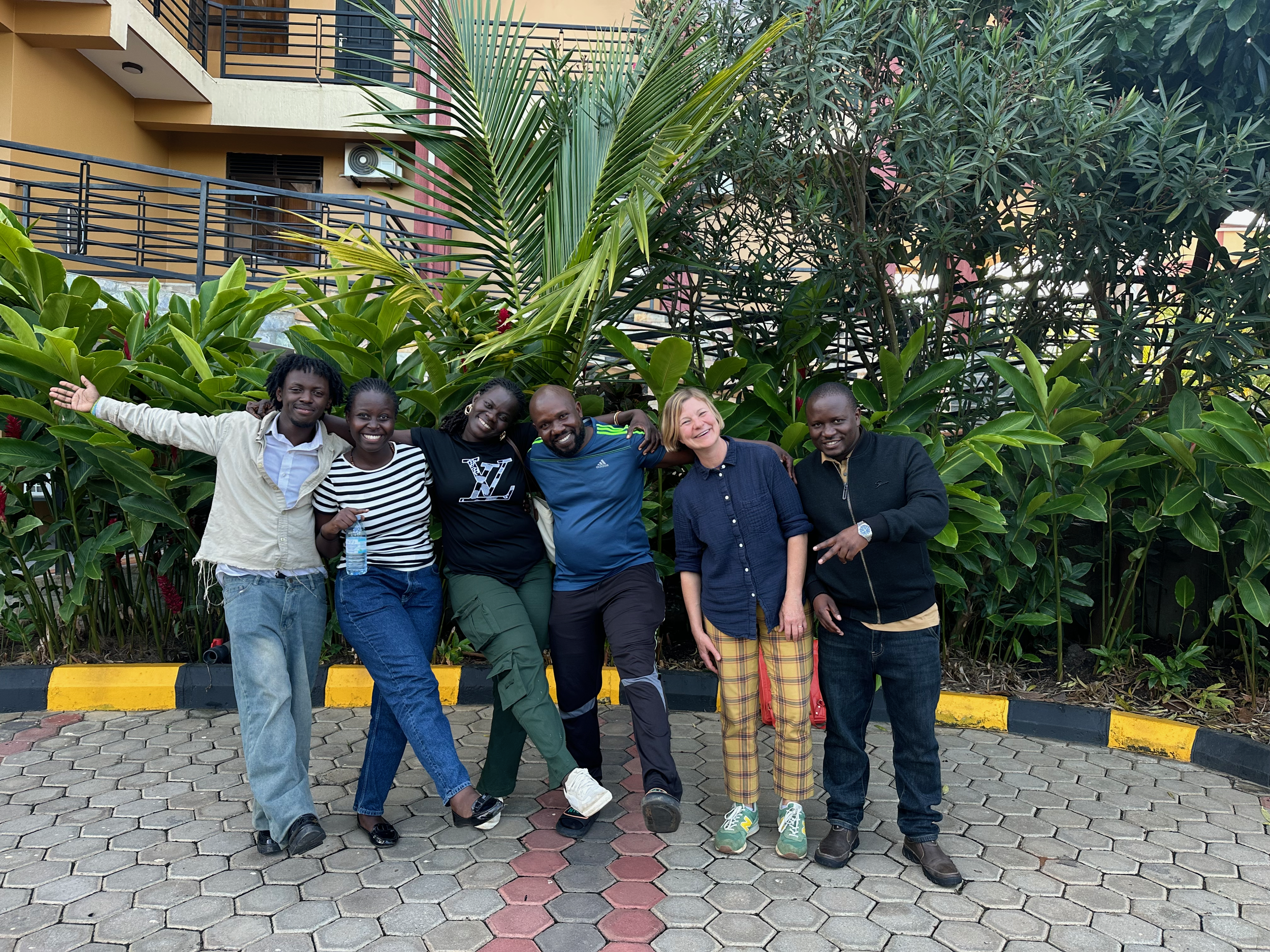
The Team
The Illustrated Memoir Team works with staff from Alight and employees refugee settlement residents as drivers and interpreters.
English is the official language of Uganda and most people speak and understand English well. Newly arrived residents and those who have not had the opportunity to attend school may be more comfortable speaking French, Swahili, Kinyarwanda, or a variety of other Bantu languages.
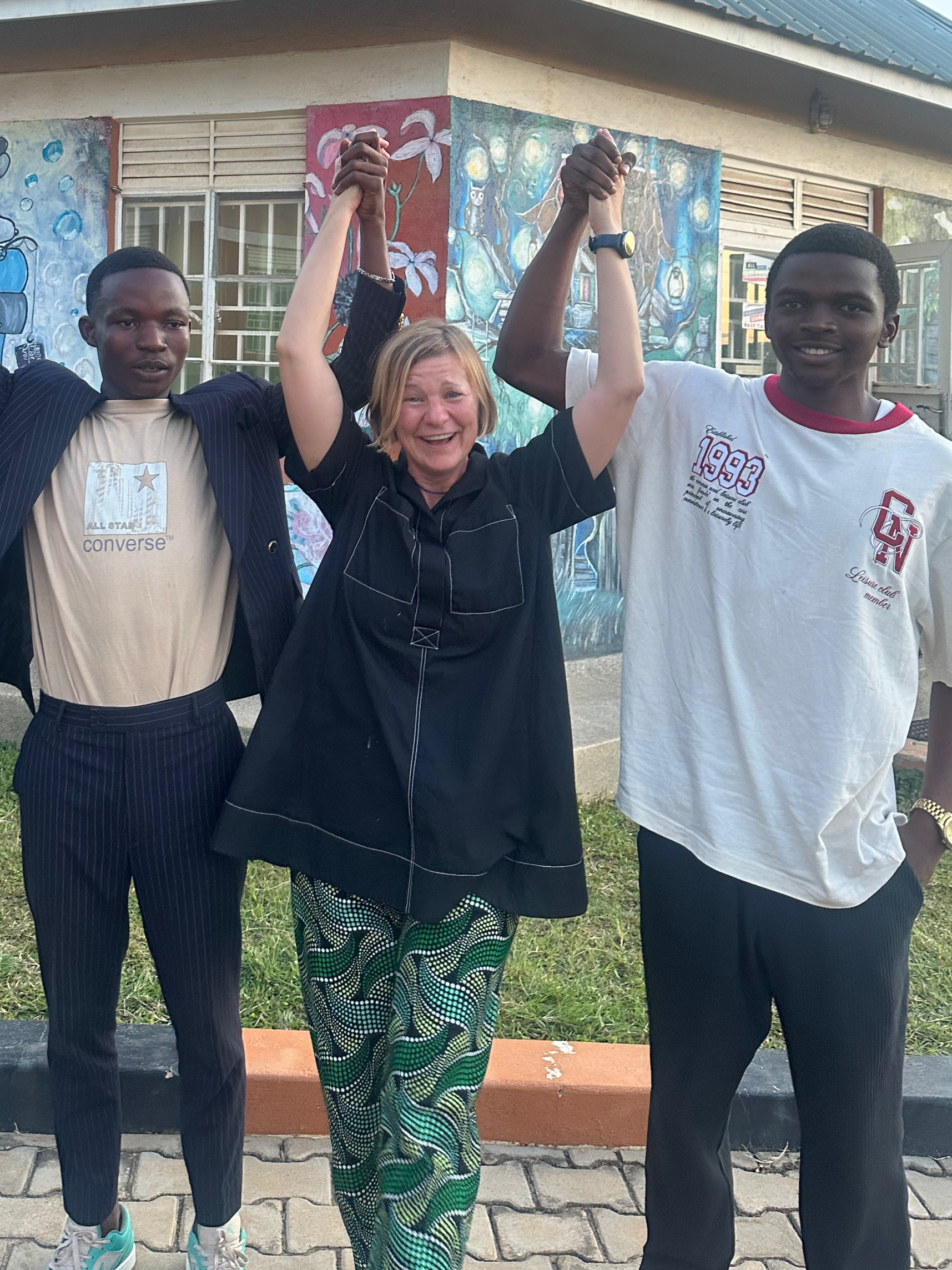
Kate Carlier Currie
Kate is an educator and researcher based in Ohio. She holds a PhD in educational leadership and has been running the Illustrated Memoir Project since 2019. She is the founder and executive director of the non-profit Maketank Inc.
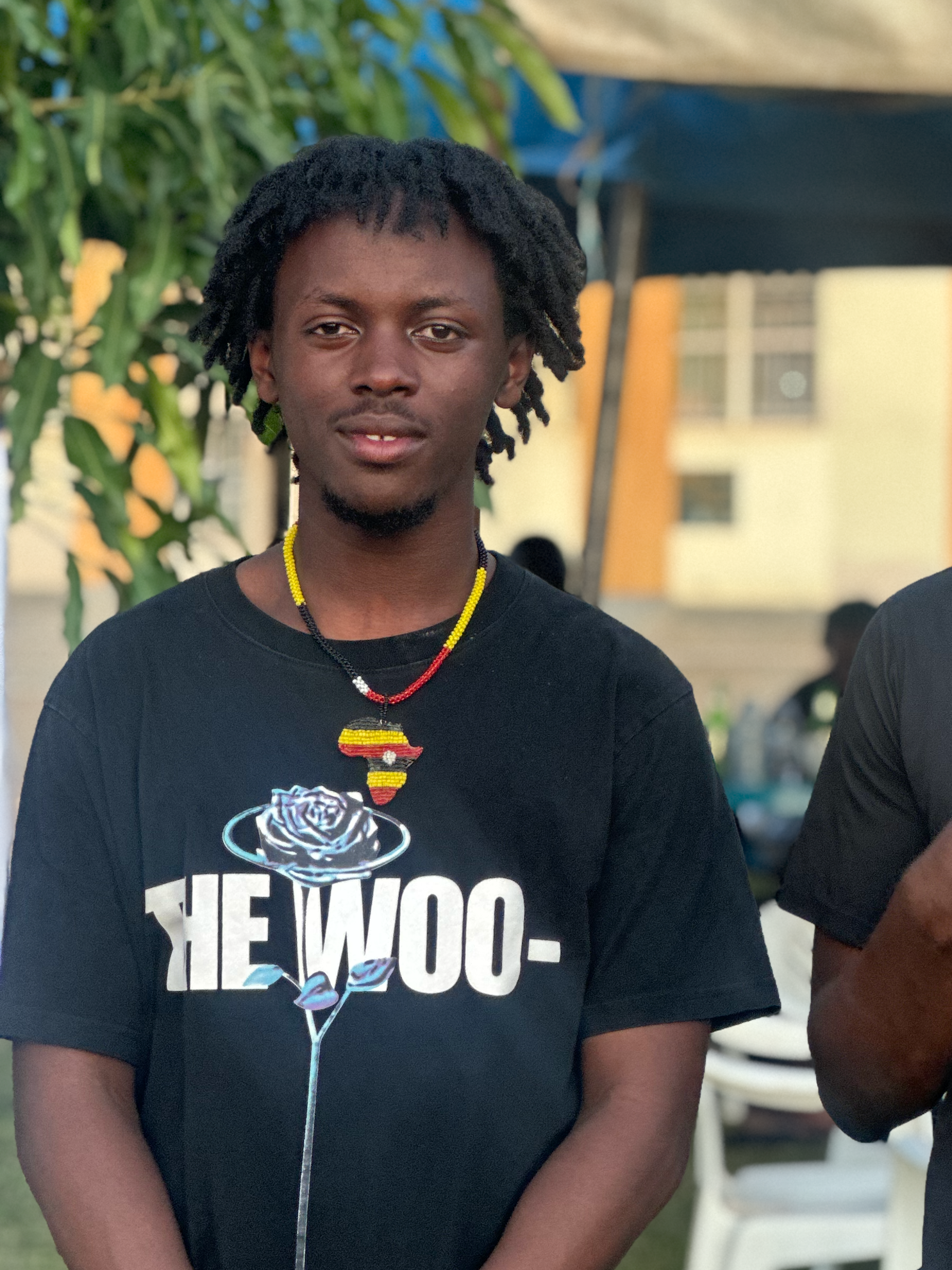
Enock Sadiki
Enock Sadiki was born and raised in Nakivale. In 2014, at the age of 9 he and his family were resettled in the US with the help of UNHCR. In 2025 he returned to Nakivale with the Illustrated Memoir Project as an intern. Enock still has a number of family members living in Nakivale.
In addition to Enock and Kate, the following are people with whom deep relationships were built in 2025, and who, based on their transformative experience with the project, intend to return and help as mentors in 2026.Their stories are examples of those that will be told as Kate and Enock build new relationships with participants in 2026.
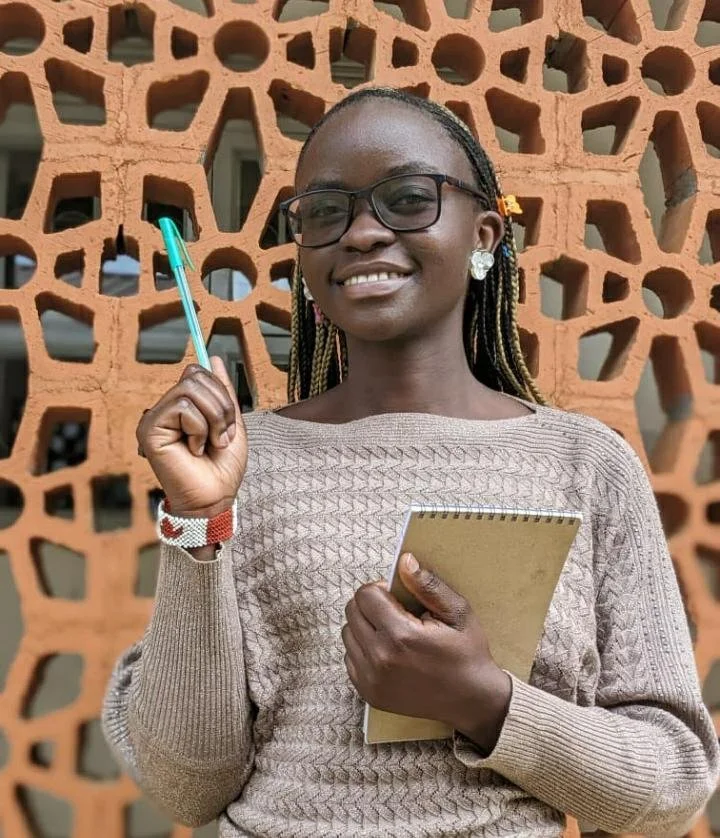
Abigael
Abigael is a Congolese poet, writer, and advocate. She is one of the founders of Tiba Ink, an organization of young writers in Nakivale who work together to refine their art and reach out to other young people. Since 2016 she has used storytelling to navigate her journey as a refugee and to champion gender equality.
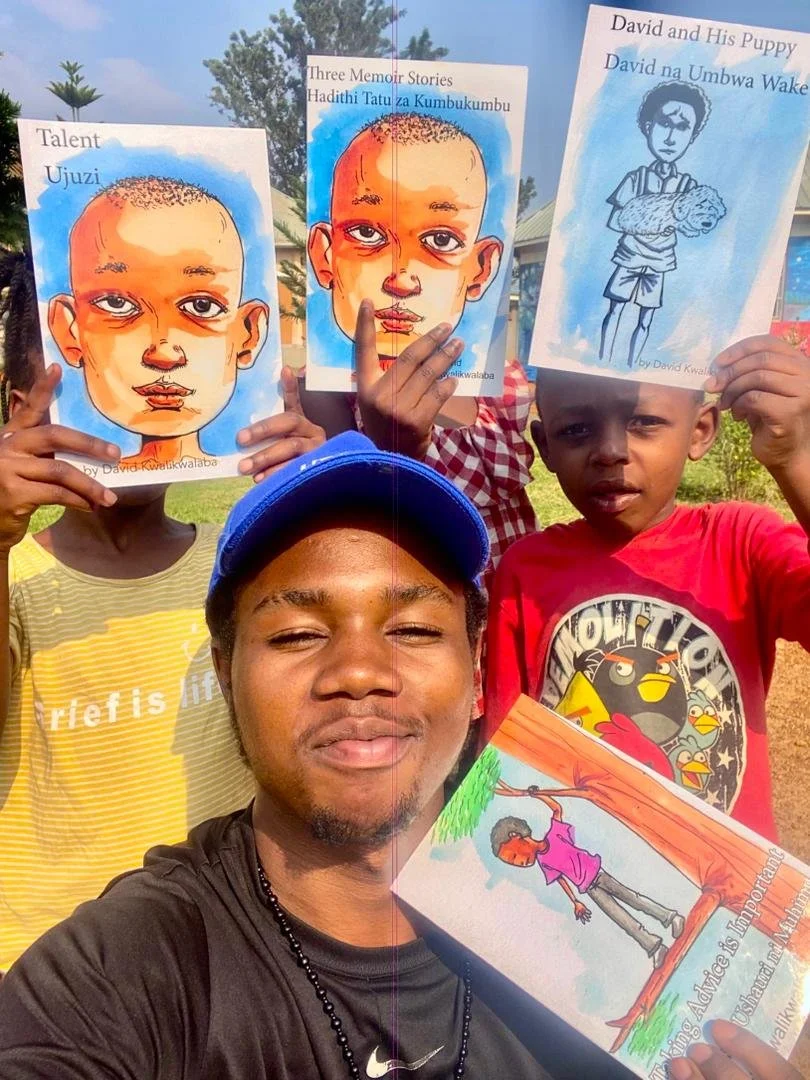
David
David is a naturally gifted artist and illustrator. He has finished secondary school and now taken it upon himself to teach young children in the settlement how to draw and paint. He was delighted to be able to share his books that he created with some of his students. In the coming years David will be leading illustrated memoir projects in Nakivale himself.

Melissa
In 2015, at the age of 10, Melissa and her family fled war in Burundi and were granted asylum in Uganda. They were resettled in Nakivale Refugee Settlement. Her family has faced extreme hardship since relocating to Nakivale. Melissa hopes to one day run an organization that helps widows and orphans.
The Film Making Team

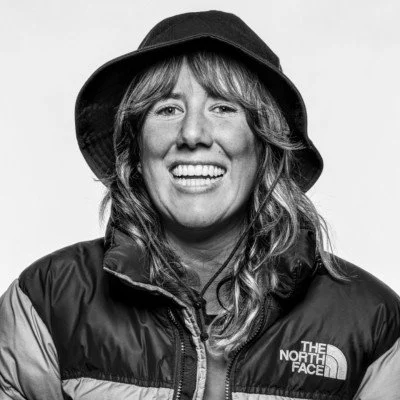
Kate Carlier Currie
Biz Young, Producer
North Forty Team
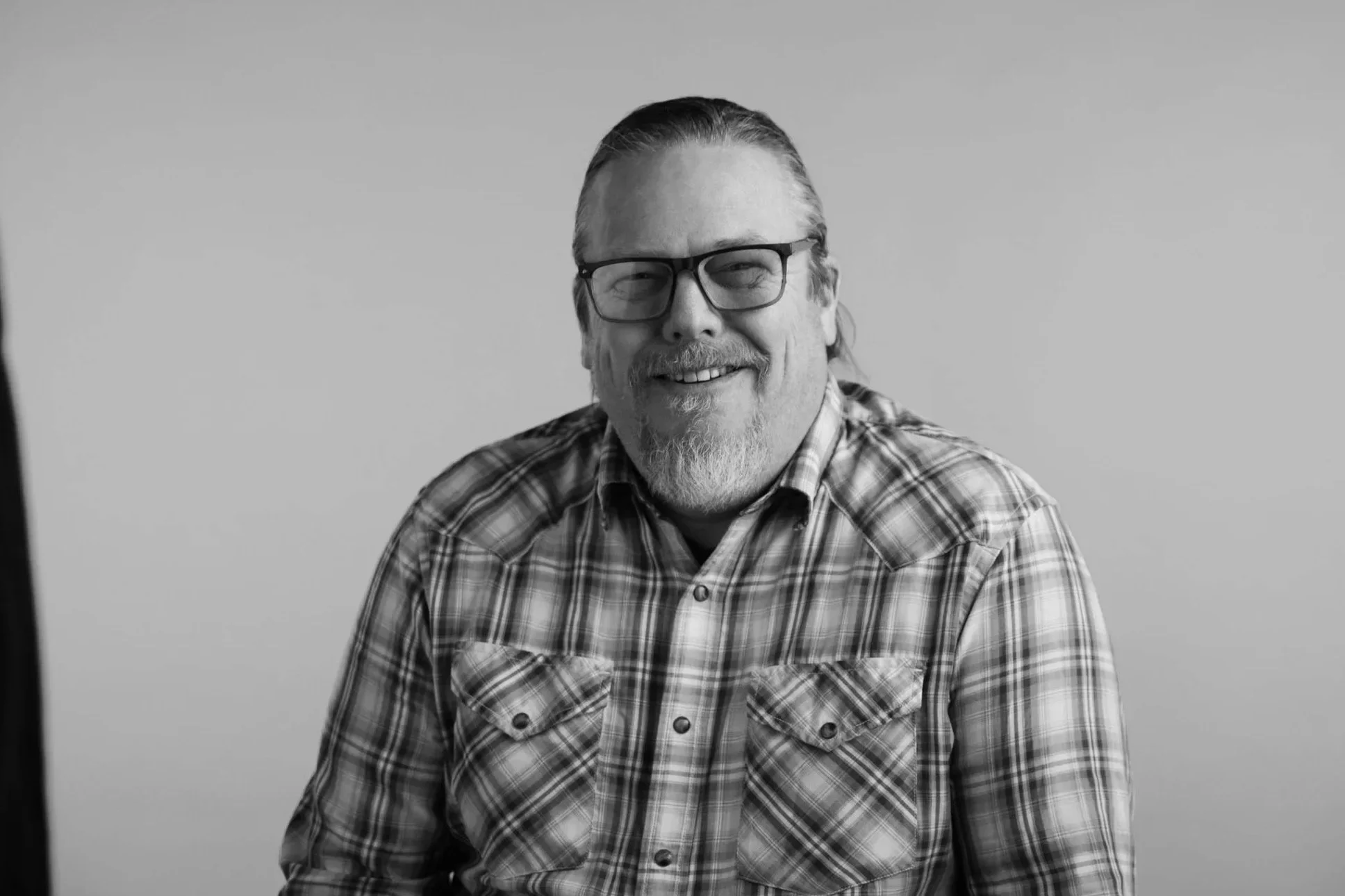
Jeff Ostenson
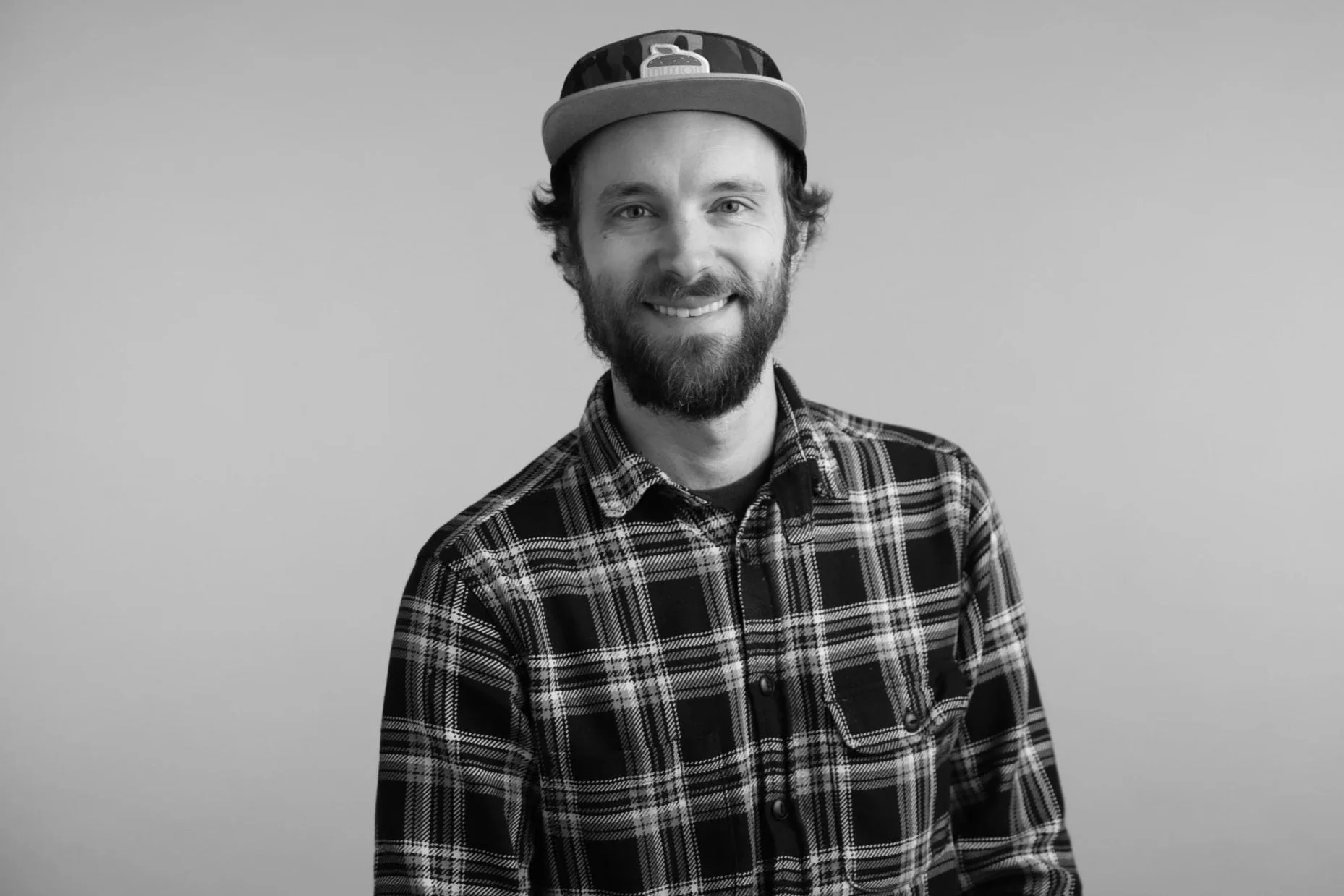
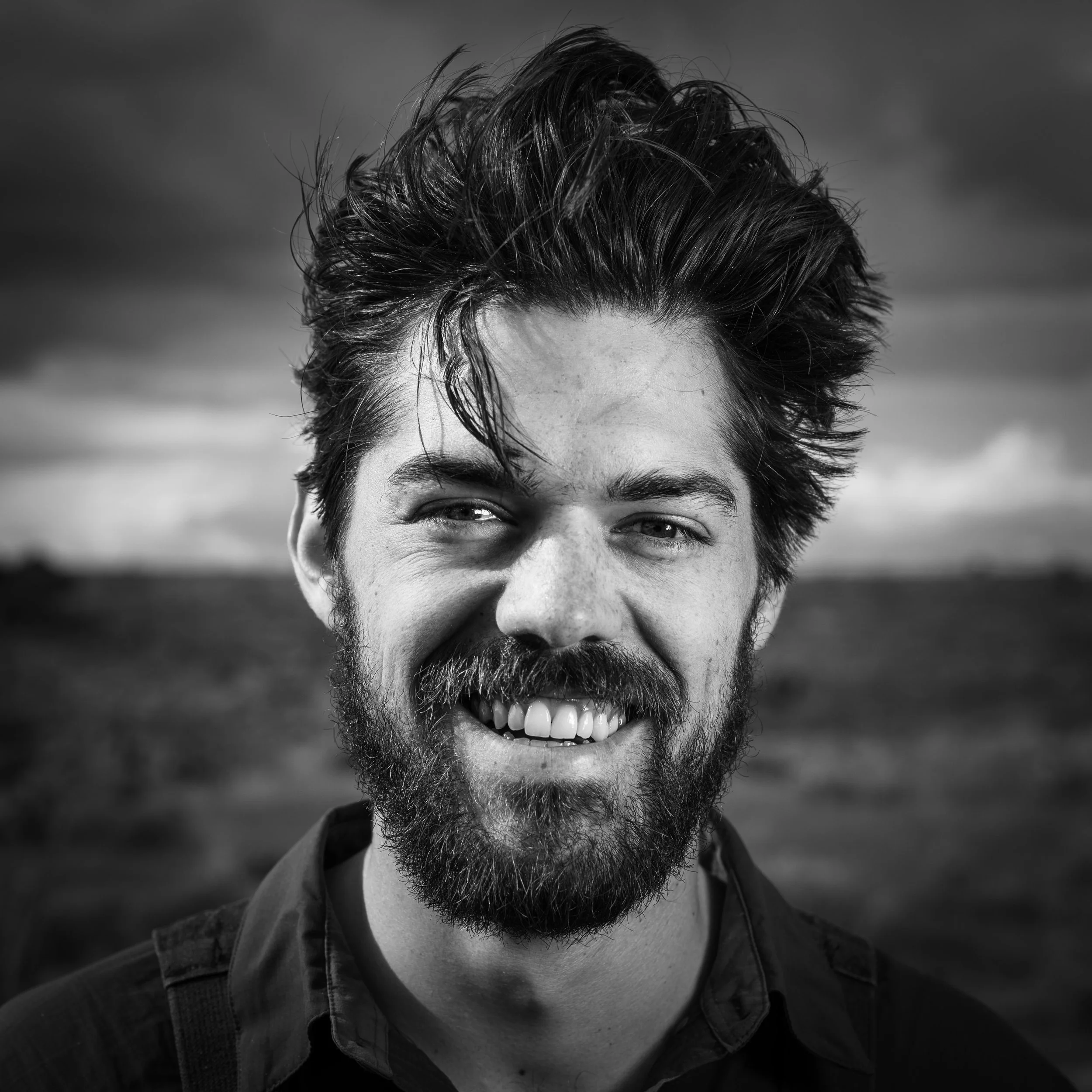
Charles Atkinson
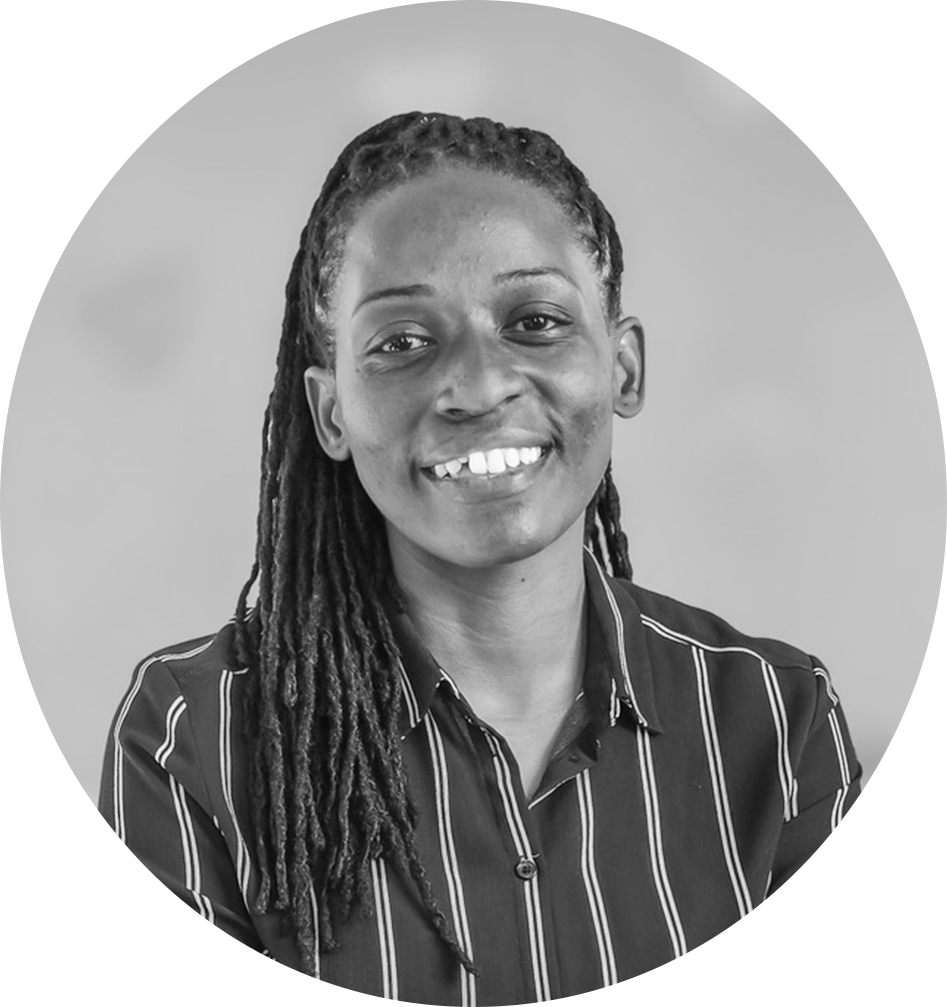
Esther K Sammy, Director
Ethan Parrish
About North Forty
North Forty has been producing documentaries and other commercial media since 2006. They have 10 regional Emmy nominations for their work broadcasted on cable and public television, and their films have been distributed on Netflix, Hulu, iTunes, Prime, TED, and NBC Universal Sports Network.
Contact Us